







The stretch between October and winter break can feel like a long exhale you never quite get to finish. The excitement of the new year has faded, and routines are set.. Some might be flowing and others failing. The reality of the work has fully arrived. For many educators, this is the time when energy dips, motivation wavers, and small cracks in systems start to show.
That’s why before or right after winter break is the perfect time for a midyear check-in. Not a formal evaluation or a “fix it all” meeting, but a real moment to pause, take stock, and make intentional choices about what to keep, what to change, and what to release. Sharing a list of actionable strategies school leaders can use to reset the year.
Reground in purpose
When the work feels heavy or the pace feels relentless, the most powerful reset doesn’t start with a new initiative; it starts with remembering why you began. Midyear is the perfect time to slow down and reconnect your team to its shared purpose. Start your next meeting by putting your mission or core values front and center — literally. Display them on a slide or poster and ask: Where are we living this most and where have we drifted?
Give teams a few minutes to think, talk, and notice. You’ll be surprised how grounding it is to name the spaces where your values are visible — in classrooms, in relationships, in the quiet routines that hold the school together. Then, invite each grade-level or department team to share one concrete example of a value in action from the past month. Capture those stories visually (e.g., “Values in Action” board, digital collage in your weekly newsletter). Reconnecting to your “why” reminds everyone that your culture isn’t built by words on a wall; it’s lived in the daily choices you make.
simplify your priorities
The middle of the year often feels like juggling too many plates. Every initiative, event, and meeting starts to blur together. A true reset requires leaders to pause and ask, “What really deserves our focus right now?”
Gather your leadership team and name your top three priorities for the next six weeks. That’s it — three. Ask, “If we do nothing else well, what three things will most impact students and staff?” Trim down anything that doesn’t align. The gift of clarity is that it creates relief. People stop guessing where to put their energy and start aligning around what matters most.
reset routines
When things start to feel off track, our instinct is often to overhaul. But most of the time, schools don’t need reinvention; they need realignment. Take a step back and audit the flow of your days and weeks. Where is friction showing up? Maybe it’s transitions, coverage plans, or meeting overload. Identify just two or three routines that require a slight adjustment to restore balance.
Bring those directly to your team and co-create the fix. Ask, “What would make this smoother for everyone?” Often, small changes — like combining redundant meetings, tightening communication loops, or building five extra minutes of transition time — make a big difference. Resetting routines signals to staff: we can make the work feel better without making it bigger.

reconnect with people
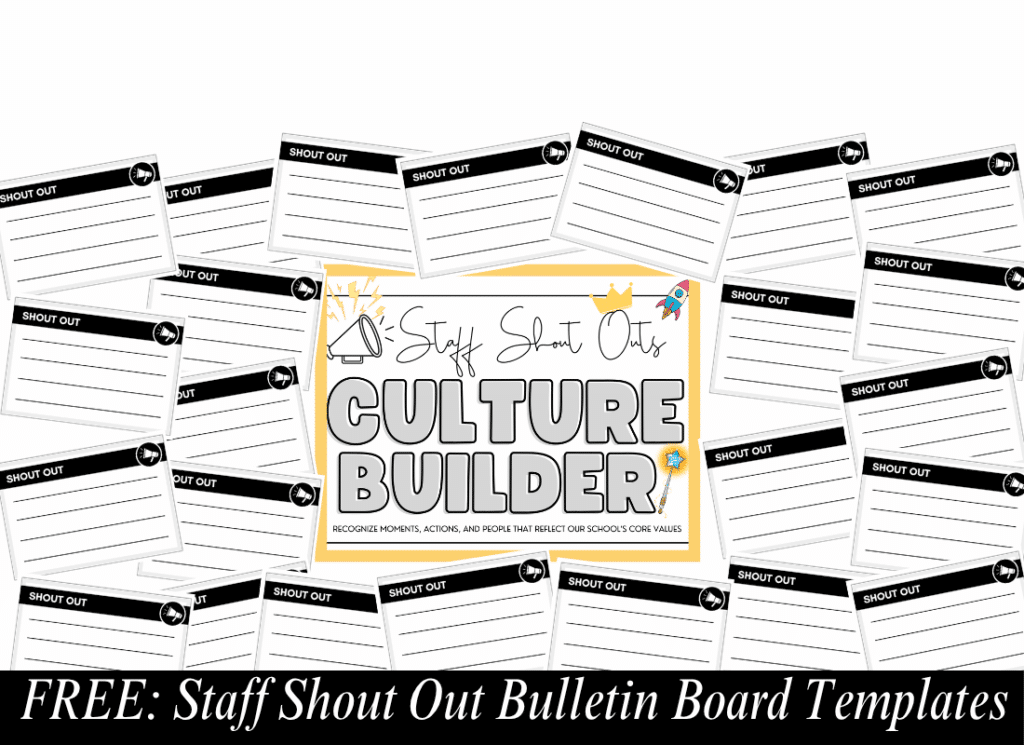
No tracker, system, or schedule can replace the human side of leadership. Midyear is when visibility matters most. Be intentional about connecting with your people — not to check on performance, but to check on them. Try five-minute “walk and talks” or informal hallway conversations that start with, “What’s going well for you right now?” or “What would make your work feel lighter?” Jot down what you hear. Here is a free staff shout out bulletin board set.
Those small moments of listening build trust — and they also reveal patterns leaders can act on. If you notice themes in what staff are sharing, name them and respond. Whether it’s more clarity, better communication, or just a shared moment of laughter, reconnection fuels belonging … and effort!

A midyear reset isn’t a restart; it’s a realignment. It’s the quiet courage to slow down long enough to ask:
- What’s still serving us
- What’s become too heavy?
- What’s worth protecting as we move forward?
When we take the time to answer those questions honestly — and collectively — we create space for growth, belonging, and renewal.
Forward, always.
Tanesha